

Photo by Erin Kunkel
There’s no denying it—fat is back. Healthy fats work hard for your health, helping you absorb vitamins and antioxidants and feel satisfied after meals and snacks. But before you devour an entire avocado, snack on endless almonds, or switch to whole yogurt, it’s time for some real talk. Good fats are still fats. And fats are high in calories. Compared to protein and carbs, fat provides more than twice as many calories per gram.
If it’s easier to visualize, imagine one sweet potato, half a chicken breast, and one spoonful of olive oil. Despite being dramatically different amounts of food, they all roughly contain 100 calories.
Whether you’ve been dabbling in high-fat diets (cough, keto) or are addicted to avocado toast, it can be really easy to go overboard with good fats and, as a result, consume a crazy amount of calories. Remember, you only need about 6 teaspoons of healthy oils a day. Here’s a refresher on the recommended serving sizes.
Proper Portions of Good Fats
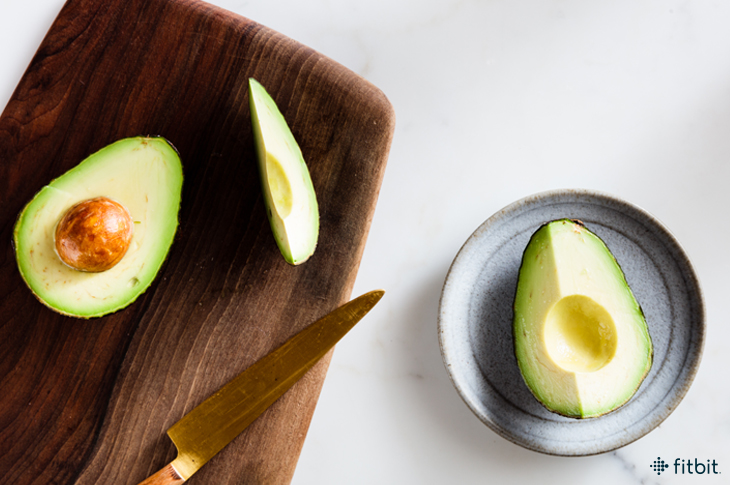
Avocado
Serving SIze:
1/3 avocado, 7 grams total fat (~1½ teaspoons), 75 calories
Ripe with monounsaturated fats, avocados are firmly considered healthy. But before you smash a whole avo on toast, be aware that the recommended serving is just one third of an avocado. Shockingly, that’s good news. Until a couple of years ago, the USDA only recommended one fifth.
Nuts
Serving Sizes:
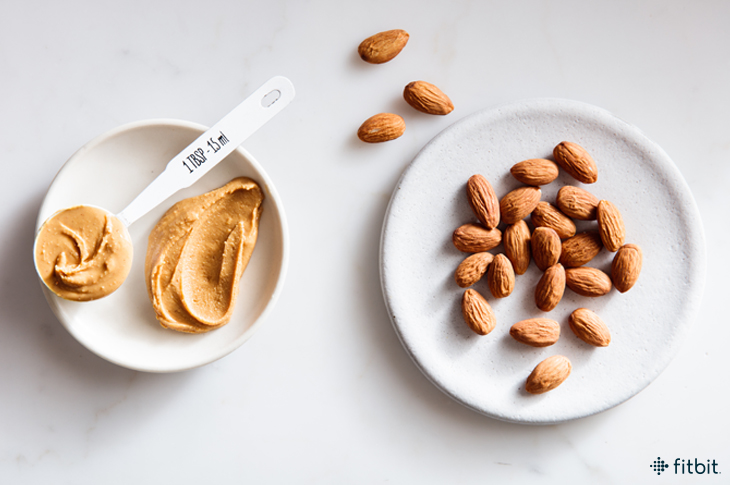
1 small handful (1 oz/30 g) almonds, 14 grams total fat (~3 teaspoons), 164 calories
2 tablespoons peanut butter, 16 grams total fat (~4 teaspoons), 188 calories
Nuts are another dietitian-approved fat, supporting everything from your heart to your brain. But if you have a horde of almonds squirreled away in your desk drawer, know the recommended serving size is one small handful of nuts or 2 tablespoons of nut butter.
Olive oil
Serving Sizes:
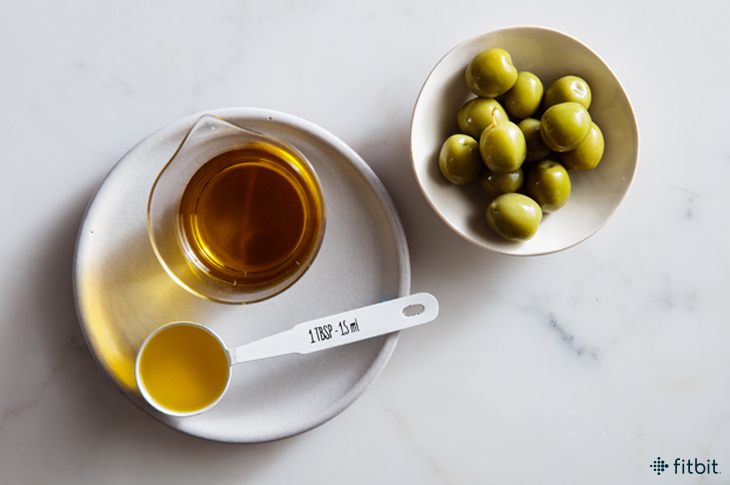
1 tablespoon olive oil, 14 grams total fat (3 teaspoons), 119 calories
12 green olives, 5 grams total fat (1 teaspoon), 47 calories
No contest, extra-virgin olive oil is Fitbit Nutritionist Tracy Morris’s favorite fat. But even the king of cooking oils can run up your calories if you drain the bottle. The recommended serving size is 1 tablespoon of olive oil, whether it’s coating a pan or dressing salad greens.
Seeds
Serving Size:
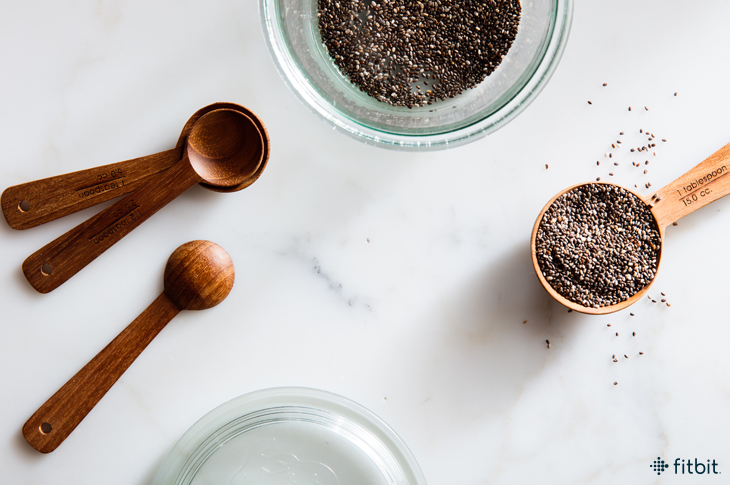
2 tablespoons (about 1 oz/30 g) chia seeds, 9 grams total fat (2 teaspoons), 138 calories
These days, people are digging into chia seeds like they’re pudding. Which is great, given the protein, fiber, and healthy fats, but may be a little reckless if you’ve forgotten how many went into that recipe to begin with? The recommended serving size is 2 tablespoons of chia seeds.
Proper Portions of High-Protein Foods That Also Add Fat
These foods aren’t technically considered part of the healthy fats and oils food group, but they do add fat to your plate.
Salmon
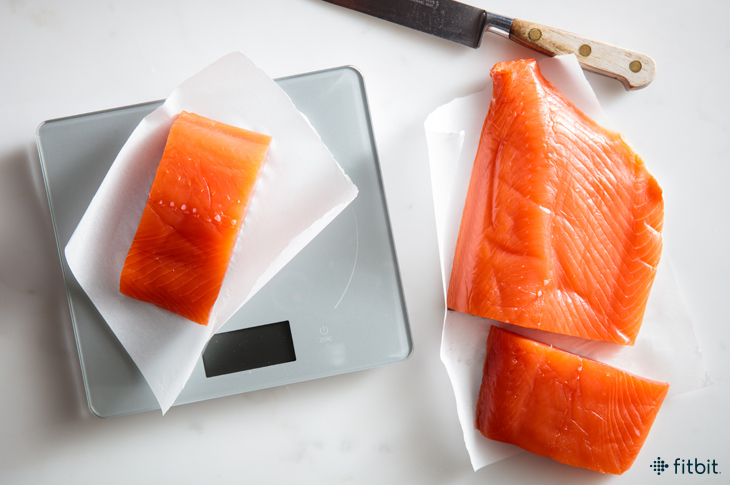
Serving Size:
4 oz (125 g) salmon, 12 grams total fat, 203 calories
It’s easy to fall for heart-healthy salmon, which is rich in omega-3’s and worth enjoying at least twice a week. But while a restaurant might sear off half a pound, the recommended serving size is really only 4 ounces.
Eggs
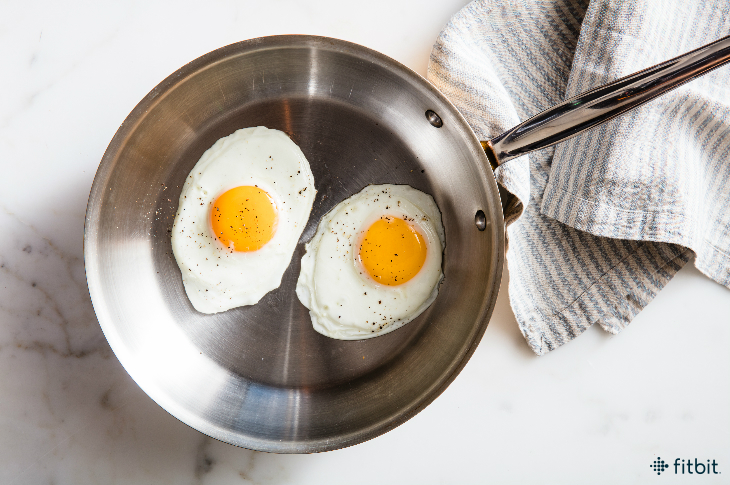
Serving Size:
2 large eggs, 10 grams total fat, 143 calories
Eggs aren’t as evil as they were once cracked up to be. According to the latest dietary guidelines, you don’t have to fear cholesterol anymore, putting eggs back on the menu. But even if it isn’t a bad fat, it’s still fat. The recommended serving size remains 2 large eggs.
Dairy
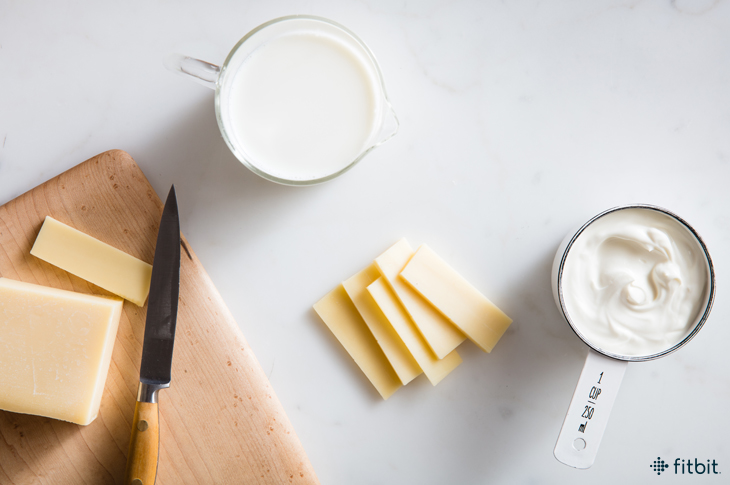
Serving Sizes:
1 cup (8 fl oz/250 ml) low-fat milk, 5 grams total fat, 122 calories
1 container (7 oz/200 g) Greek yogurt, plain, low-fat, 4 grams total fat, 146 calories
1½ oz (45 g) cheese, 14 grams total fat, 172 calories
If you’ve switched to whole yogurt and gnaw on cheese, keep one ear perked, because the dairy debate rages on. While saturated fat might not be as bad as people previously thought, experts aren’t saying it’s healthy, either. The recommended serving sizes are 1 cup of milk, 7 ounces of yogurt, and 1½ ounces of cheese. But more important: Depending on the rest of your diet, go for grass-fed and low-fat options, and avoid added sugars.
