





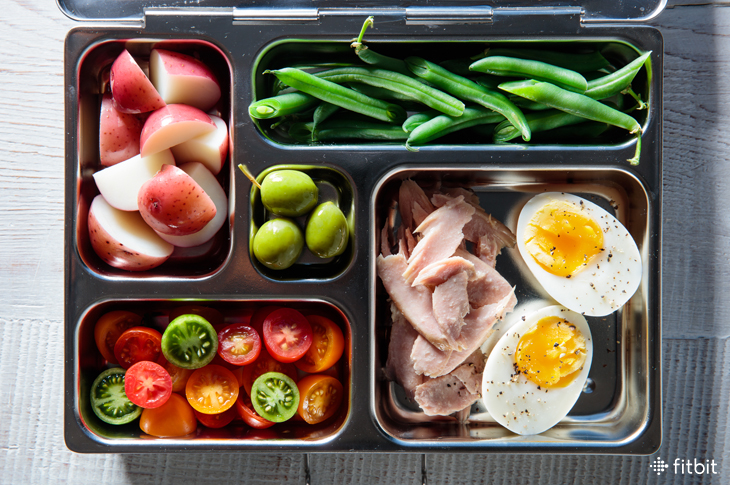

Right here, 5 bento-culture takeaways that may allow you to step up your lunchbox recreation.
1. Set the “desk.” Sitting right down to a home made lunch organized in a gorgeous bento field focuses your senses on the meal, which research have proven can assist with digestion and weight reduction. “Blended on a plate, it’s straightforward to not respect what’s in entrance of you and simpler to over-consume,” says Margolis. “Consuming from a bento field permits us to decelerate, respect the crunch or the great thing about the elements in entrance of us.”
The containers themselves are available a wide selection of wood, lacquered, plastic, or metallic fashions; some even embody a thermos for soup or inexperienced tea, a chilly pack to assist maintain meals cool, chopsticks or sporks, and a color-coordinated serviette. The nifty compartments additionally function built-in portion management.
2. Stick to seasonal meals. The Japanese are conscious about the altering seasons and have fun the time of yr by consuming native, in-season meals. A part of that is ascetic custom, however consuming seasonally additionally is sensible from a style and an financial standpoint. If you pack a lunch with native, seasonal fruit and veggies, you’re consuming meals that don’t require a protracted transport time to your plate—sometimes making them extra reasonably priced and the epitome of contemporary. Savoring the start of spring with delicate asparagus spears, the peak of summer season with a easy tomato salad, the approaching of autumn with a butternut squash salad, and winter with cozy root vegetable soup can add extra enjoyment to each meal.
3. Differ textures. As an alternative of containing one uniform factor, say a sandwich or one large bowl of salad, Japanese bento containers embody a number of small parts of various dishes with a deal with balancing textures, flavors, and cooking strategies (assume: a tender rice ball wrapped in nori seaweed, crunchy pan-fried gyoza, simmered blended greens calmly glazed in soy sauce). A wide range of textures doesn’t simply make a meal enjoyable to eat, analysis additionally reveals it may possibly assist with satiety. In accordance with a examine in Urge for food, when individuals eat a texturally complicated meal, they have a tendency to really feel full sooner than once they eat a low-texture meal with the identical quantity of taste and energy.
4. Eat along with your eyes. Japanese cooks deliberately fluctuate the colours of elements in bento containers to make them visually interesting. Typically, every bento field will embody a white meals (usually rice), a yellow meals (akin to a small portion of omelet), a pink meals (shrimp, pickled ume plum as an illustration), a inexperienced meals (like spinach salad or cooked greens), and a black meals (fish or a nori seaweed-wrapped rice ball). How can this shade assortment allow you to? Research present that diners price artfully plated meals as being tastier than sloppily organized meals ready with similar elements, and that diners are likely to assign extra worth to meals that appears appetizing. This range of colours leads the attention across the field, including anticipation to the meal, but it surely additionally matches neatly into the “eat the rainbow” tenant really useful by the American Coronary heart Affiliation as a technique to eat a wide range of vitamins.
5. Maintain it easy. Making a Japanese bento-inspired lunch doesn’t imply it’s important to rise up on the daybreak to painstakingly prepare cartoon kitty faces in your rice or lower out tiny carrot flowers for each chew of salad (although that may be enjoyable in case you’re into it). When assembling a bento for your self, including visible attraction will be as straightforward as placing a halved cherry tomato in a darkish nook of the field so as to add little pop of appetizing pink or garnishing grilled fish with a skinny half-moon slice of lemon and a rumple of pickled ginger. To fluctuate texture, add a small cup of roasted almonds, a handful of edamame sprinkled with crunchy sea salt, or just a little cup of creamy chia pudding to your bento. It simply takes a little bit of planning, a artistic use of leftovers, and just a little web inspiration.
Hungry for extra? Try 7 Fast and Wholesome Lunch Concepts for College or Work for extra bento field lunch concepts!


